
Trézor Bridge® | Introducing the New Trezor® App
Get started with Trezor Bridge and understand its role in connecting Trezor hardware wallets with compatible applications for secure communication, wallet management, and convenient desktop access.
Trezor Bridge: A Beginner’s Guide to Wallet Connectivity and Setup
Using a hardware wallet involves more than connecting a physical device to a computer. The wallet must be able to communicate with compatible software so users can view accounts, manage supported assets, and approve transactions. Trezor Bridge is designed to support this communication and can be an important part of a desktop-based Trezor wallet experience.
Understanding what Trezor Bridge does and how it fits into the broader wallet setup process can help beginners troubleshoot connection issues and use their hardware wallet more confidently.
Understanding Trezor Bridge
Trezor Bridge is a software component that facilitates communication between a Trezor hardware wallet and compatible applications running on a computer. It works in the background rather than acting as a standalone cryptocurrency wallet.
The physical Trezor device and wallet software have different roles. The computer provides the interface for managing accounts, while the hardware wallet is used for important security operations and transaction confirmations.
This arrangement allows users to interact with their digital assets without treating the hardware wallet as ordinary computer storage.
When Do You Need Trezor Bridge?
Trezor Bridge may be relevant when using a Trezor hardware wallet with compatible desktop software or supported web-based wallet interfaces. Its purpose is to help the computer recognize and communicate with the connected device.
Whether Bridge is required can depend on the software environment and current Trezor compatibility. Users should therefore follow the setup instructions provided by the wallet software they are using instead of installing unrelated connection utilities.
Keeping the setup simple and using trusted software sources is one of the easiest ways to avoid unnecessary problems.
Getting Ready for Installation
Before beginning, prepare a computer with a stable internet connection and an appropriate USB cable. Close unnecessary wallet applications that could interfere with the device connection.
Most importantly, obtain Trezor software and related components from legitimate sources. Avoid downloading programs from advertisements, unsolicited messages, unofficial support accounts, or websites that use suspicious domain names.
Cryptocurrency users should always be cautious when installing wallet-related software because fake applications can be designed to collect sensitive information.
Installing and Connecting Trezor Bridge
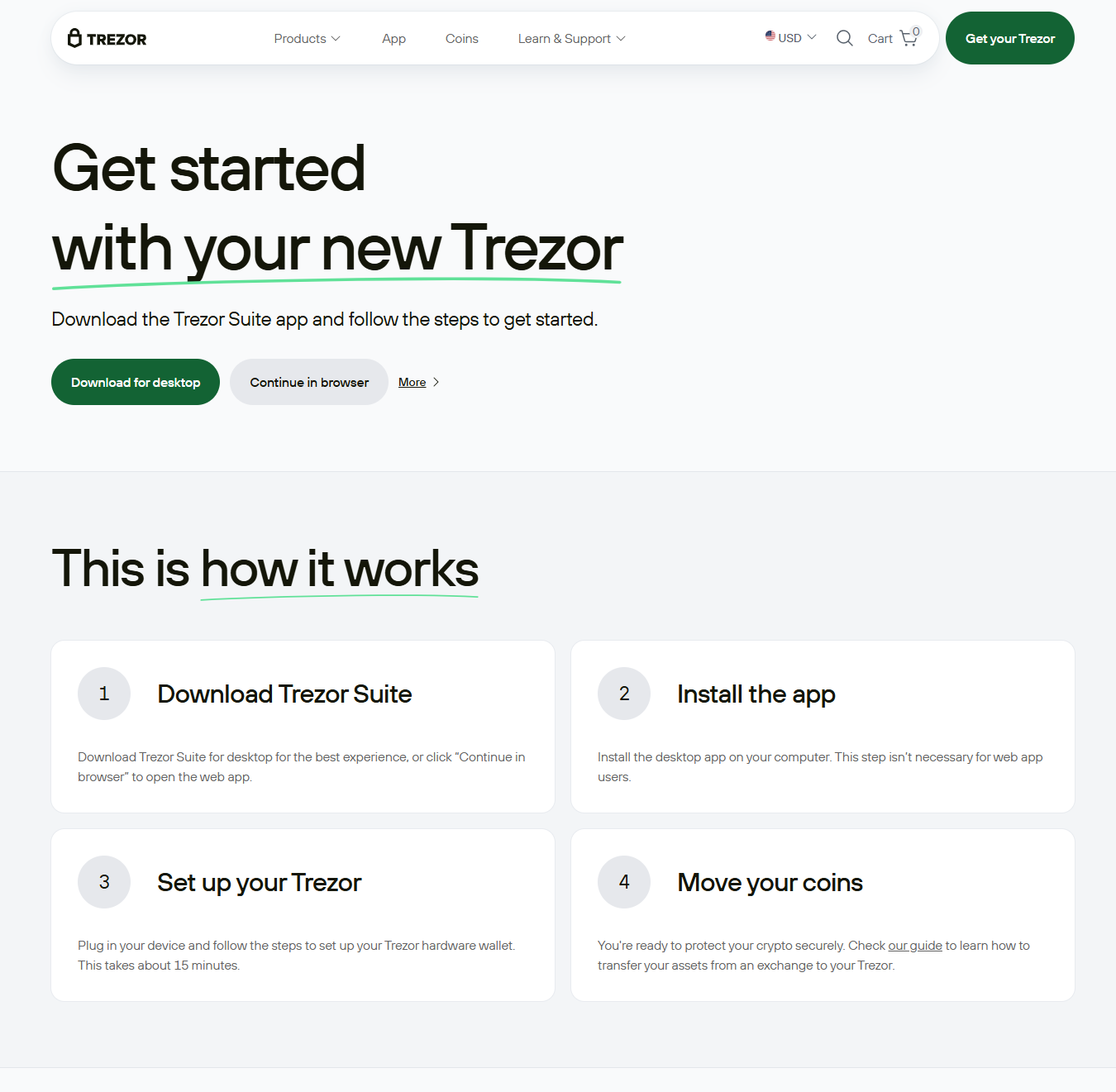
If your setup requires Trezor Bridge, download the appropriate version from a trusted Trezor source and follow the installation instructions for your operating system.
After installation, connect your Trezor hardware wallet to the computer. Open the compatible wallet software and check whether the device is detected.
If a connection request appears, review it before approving. Keep the physical Trezor device available because important confirmations should be reviewed directly on its screen rather than accepted automatically from the computer.
How Trezor Bridge Supports Wallet Management
Once communication is established, compatible software can provide an interface for everyday wallet activities. Depending on the supported environment, this may include viewing account information, checking balances, reviewing transactions, and preparing cryptocurrency transfers.
The important distinction is that the software interface does not replace the hardware wallet. When a transaction requires authorization, the physical device provides an additional point where the user can inspect and confirm the requested operation.
This makes careful transaction verification an important part of normal hardware-wallet usage.
Checking Transaction Details
Before approving a transaction, carefully inspect the information shown on the Trezor device. Pay particular attention to the recipient address and transaction amount.
Do not assume that information displayed on a computer is automatically correct. If the details on the hardware wallet do not match what you intended to send, stop and investigate before confirming anything.
Taking a few extra seconds to verify a transaction can help prevent costly mistakes.
Troubleshooting Connection Problems
A Trezor wallet may occasionally fail to appear in compatible software. Start with basic checks such as reconnecting the USB cable, restarting the wallet application, and ensuring the required software is properly installed.
An outdated application or operating-system component may also create compatibility problems. Check for legitimate software updates rather than searching for unofficial drivers.
If the computer still cannot communicate with the device, consult official Trezor documentation and support resources for the relevant operating system and wallet application.
Protecting Your Recovery Backup
Trezor Bridge handles communication, but it does not protect users from social engineering or recovery-phrase scams.
Your wallet recovery information should remain private and offline. Never send recovery words to someone claiming to be customer support, and never enter them into an unfamiliar website or online form.
A legitimate support process should not require you to disclose your private recovery information to another person.
Recognizing Fake Wallet Software
Scammers often create websites and applications that resemble genuine cryptocurrency products. Warning signs can include urgent messages, unrealistic security claims, requests for recovery words, unexpected software downloads, or instructions to move funds immediately.
Always verify the source before installing wallet software. Bookmarking trusted resources and avoiding links from unsolicited messages can also reduce the chance of visiting a fraudulent page.
Keeping Trezor Bridge and Wallet Software Updated
Software updates can improve compatibility, fix bugs, and provide important maintenance. Check for updates through trusted software channels and follow the instructions provided by the relevant wallet provider.
Do not install an update merely because an unknown website or message claims that your wallet is at risk. Verify the information independently before taking action.
Final Thoughts
Trezor Bridge provides a communication layer that can help a Trezor hardware wallet interact with compatible computer applications. For beginners, understanding its purpose makes the overall wallet setup process easier to follow.
A secure experience depends on more than the connection itself. Use trusted software, keep your applications updated, verify transactions on the physical device, and protect your recovery information at all times. These straightforward habits can make everyday Trezor wallet management more organized and security-conscious.
Updated about 8 hours ago