
Trézor Bridge® | Introducing the New Trezor® App
Explore Trezor Bridge to understand how it connects your Trezor hardware wallet with supported software, simplifying device communication, wallet access, and secure cryptocurrency management.
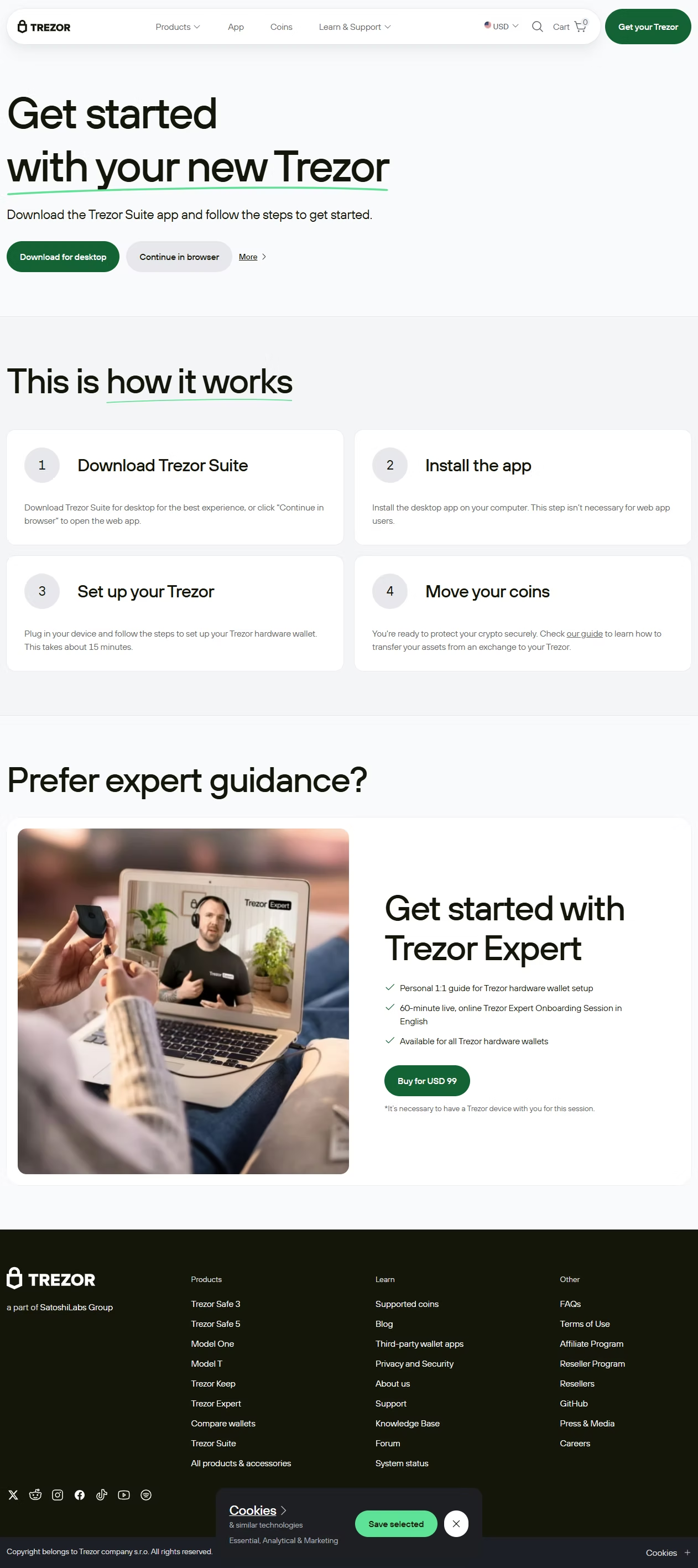
Trezor Bridge: Complete Guide to Connecting Your Trezor Wallet
Getting started with a hardware wallet requires more than simply connecting the device to a computer. A reliable connection between your Trezor hardware wallet and supported wallet software helps create a smoother experience when managing digital assets. Trezor Bridge is designed to support this connection and make communication between a Trezor device and compatible browser-based applications more convenient.
What Is Trezor Bridge?
Trezor Bridge is a desktop utility that enables communication between a Trezor hardware wallet and compatible web applications. It works in the background on a computer, helping supported wallet interfaces recognize and communicate with the connected Trezor device.
For users setting up a Trezor hardware wallet, understanding the role of Trezor Bridge can make the overall setup process easier to follow. Instead of treating the bridge as another wallet, it is better understood as a communication layer between the physical device and supported software.
Why Trezor Bridge Is Important
A hardware wallet is designed to keep important security information protected on the device. However, users still need software to view accounts, review balances, manage supported cryptocurrencies, and approve transactions.
Trezor Bridge helps establish the connection required for compatible applications to communicate with the hardware wallet. This can be especially useful when a web-based wallet interface needs access to the connected Trezor device.
The bridge operates as supporting software rather than replacing the hardware wallet itself. Your Trezor device remains the important security component used for approving actions and protecting sensitive wallet operations.
Preparing for Trezor Bridge Setup
Before installing or using Trezor Bridge, make sure your computer is ready for the setup process. Use a trusted computer, maintain a stable internet connection, and connect your Trezor device with a suitable USB cable.
It is also important to obtain software only from legitimate Trezor sources. Avoid downloading wallet utilities from random websites, advertisements, pop-ups, or unknown links because malicious software can imitate legitimate wallet tools.
After preparing your computer, follow the current setup instructions provided by Trezor and install the compatible version of the bridge for your operating system.
Connecting Your Trezor Hardware Wallet
Once Trezor Bridge is installed, connect your hardware wallet to the computer. The compatible wallet interface should be able to communicate with the device when the required software and permissions are correctly configured.
Your Trezor device may request confirmation for certain actions. Carefully review information displayed on the hardware wallet before approving anything. The physical device provides an additional verification point, so never approve an unfamiliar transaction simply because it appears correct on your computer screen.
Using Trezor Suite With Your Device
Trezor Suite provides an interface for managing supported cryptocurrency accounts and interacting with compatible Trezor hardware wallets. Depending on the current software environment, users may encounter different connection requirements.
When working with Trezor Suite or another compatible application, keep the wallet software updated and follow the application's current connection instructions. If a connection problem appears, restarting the application and reconnecting the hardware wallet can sometimes help resolve temporary communication issues.
Protect Your Recovery Information
Installing Trezor Bridge does not remove the importance of wallet security. Your recovery information should always be treated as extremely sensitive. Never share your recovery words with another person, website, support agent, or online form.
Do not type recovery information into websites or applications simply because a message claims it is necessary to fix a connection problem. Genuine troubleshooting should not require you to reveal your recovery words.
Keep your recovery backup stored securely and separately from your computer. Anyone who obtains the recovery information may potentially gain control of the associated wallet.
Troubleshooting Trezor Bridge
If your computer does not recognize the Trezor device, begin with basic checks. Confirm that the device is properly connected and that the USB cable is suitable for data communication. Try restarting the compatible wallet application and reconnecting the device.
You can also check whether the installed Trezor Bridge version is current and compatible with your operating system. Closing other wallet applications that may be attempting to communicate with the same device can also help.
If problems continue, use official Trezor documentation and support resources rather than relying on unofficial instructions from social media posts or unknown websites.
Best Practices for Secure Wallet Management
Good security habits are just as important as installing the correct software. Keep your computer protected, install operating-system updates, use strong account security, and download wallet software only from trusted sources.
Always verify transaction details directly on your Trezor device before confirming. Be cautious of urgent messages, fake support requests, suspicious browser extensions, and websites asking for recovery information.
A secure setup combines trusted software, careful verification, and responsible handling of recovery information.
Final Thoughts
Trezor Bridge plays an important supporting role when compatible applications need to communicate with a Trezor hardware wallet. Understanding how the bridge works can make wallet setup and troubleshooting less confusing, especially for users who are new to hardware-based cryptocurrency management.
For the best experience, use trusted software, follow current Trezor setup instructions, verify transactions on the physical device, and protect your recovery information at all times. With these habits in place, users can create a more secure and organized approach to managing their digital assets.
Updated about 9 hours ago